What specific task needs to be undertaken?
Describe a path, an area, a handover, an interaction, or a control walk.

Robot overview
Whether you need to move materials, clean surfaces, inform people, or automate inspection rounds: Start with the task. SEBOTICS helps you to narrow down suitable models and assess their suitability for use in your environment.
Starting point
The model name is not the best starting point. What matters is which path, area, or work step in everyday life should become more predictable.
For food, laundry, materials, goods or containers on recurring routes.
Transport models02For commercial spaces, tailored to floor type, dirt levels, and working windows.
Cleaning models03For information, presentation, preparation, or a clearly defined work step.
Automation solutions04For patrols, mapping and data collection in suitable technical environments.
inspection systemsSelection guide
A good pre-selection process first describes the intended use. Technical model specifications follow.
capture requirementsDescribe a path, an area, a handover, an interaction, or a control walk.
Indoors or outdoors, with public access, on one or more floors? The ground, weather, and other road users influence the choice.
When transporting materials, factors such as load, dimensions, and journeys are important. When cleaning materials, factors such as area, floor surface, level of soiling, and working window are important.
Relevant features include passageways, thresholds, inclines, doors, elevators, stations, electricity, network, and, where applicable, water and drainage.
Before deployment, it should be determined who will start tasks, replenish materials, respond to reports, and take over in case of malfunctions.
product Finder
The filters are for pre-selection. Whether a model is suitable depends on the route, area, task, and features.

For combined floor care on compact and furnished indoor surfaces.
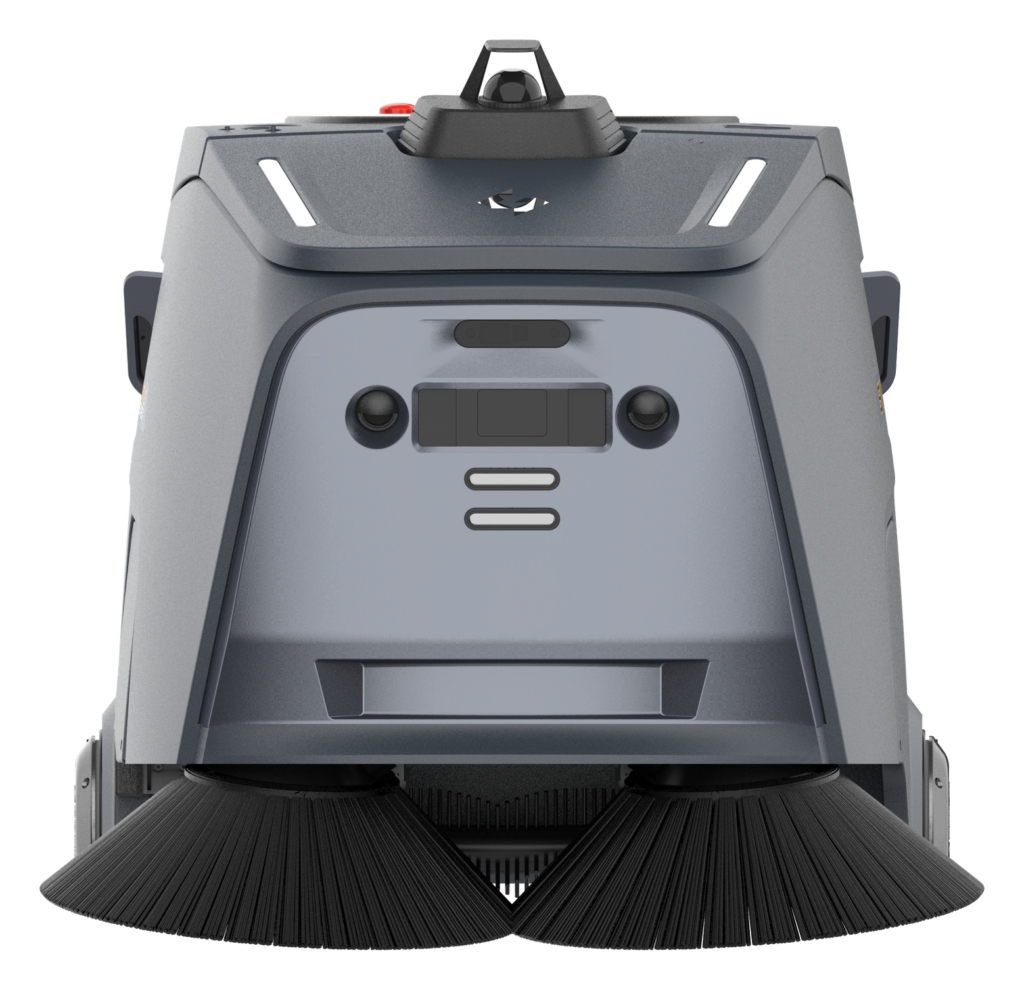
For sweeping and cleaning tasks on large industrial and outdoor areas.
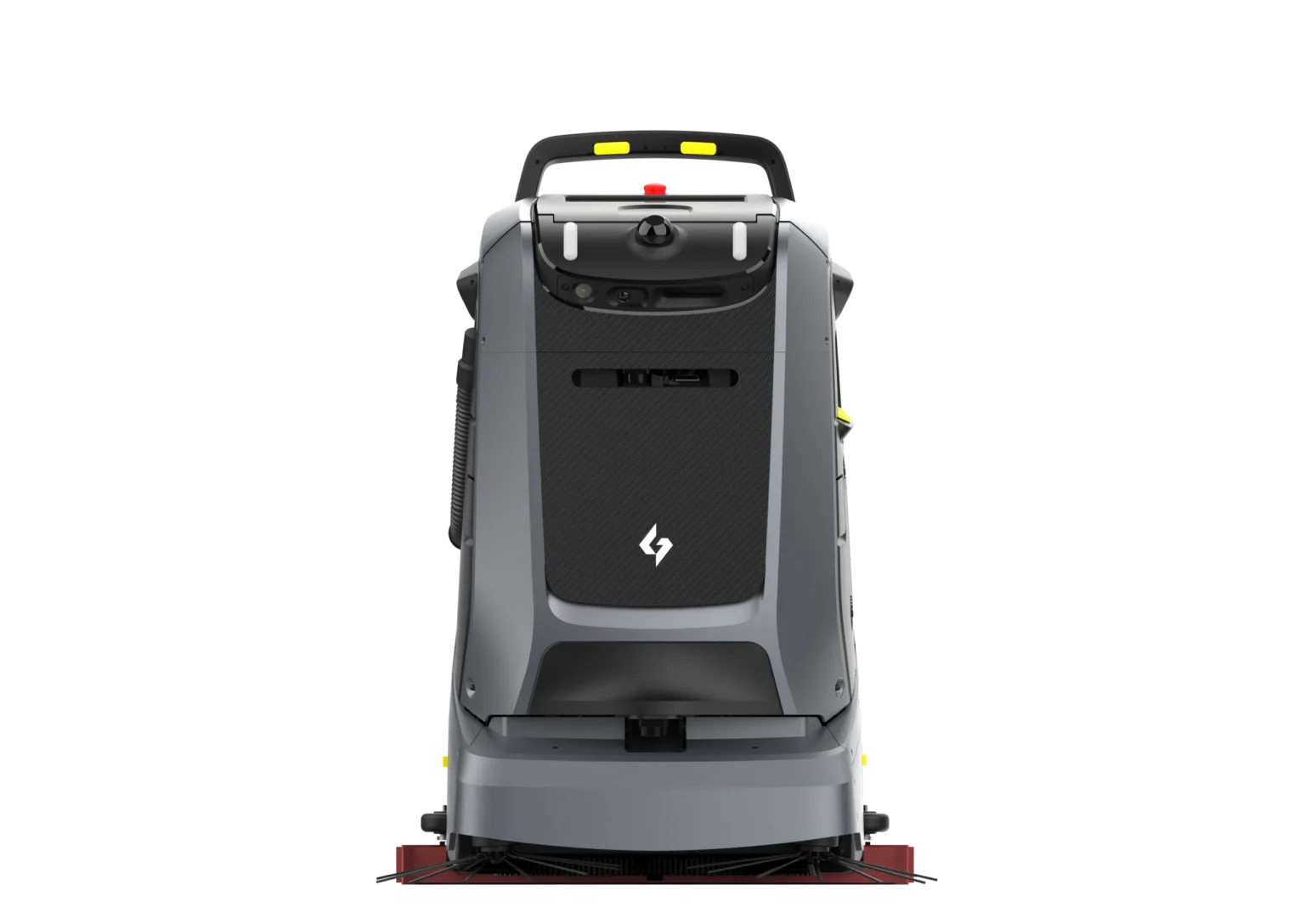
For wet cleaning and sweeping in confined indoor areas and structured zones.
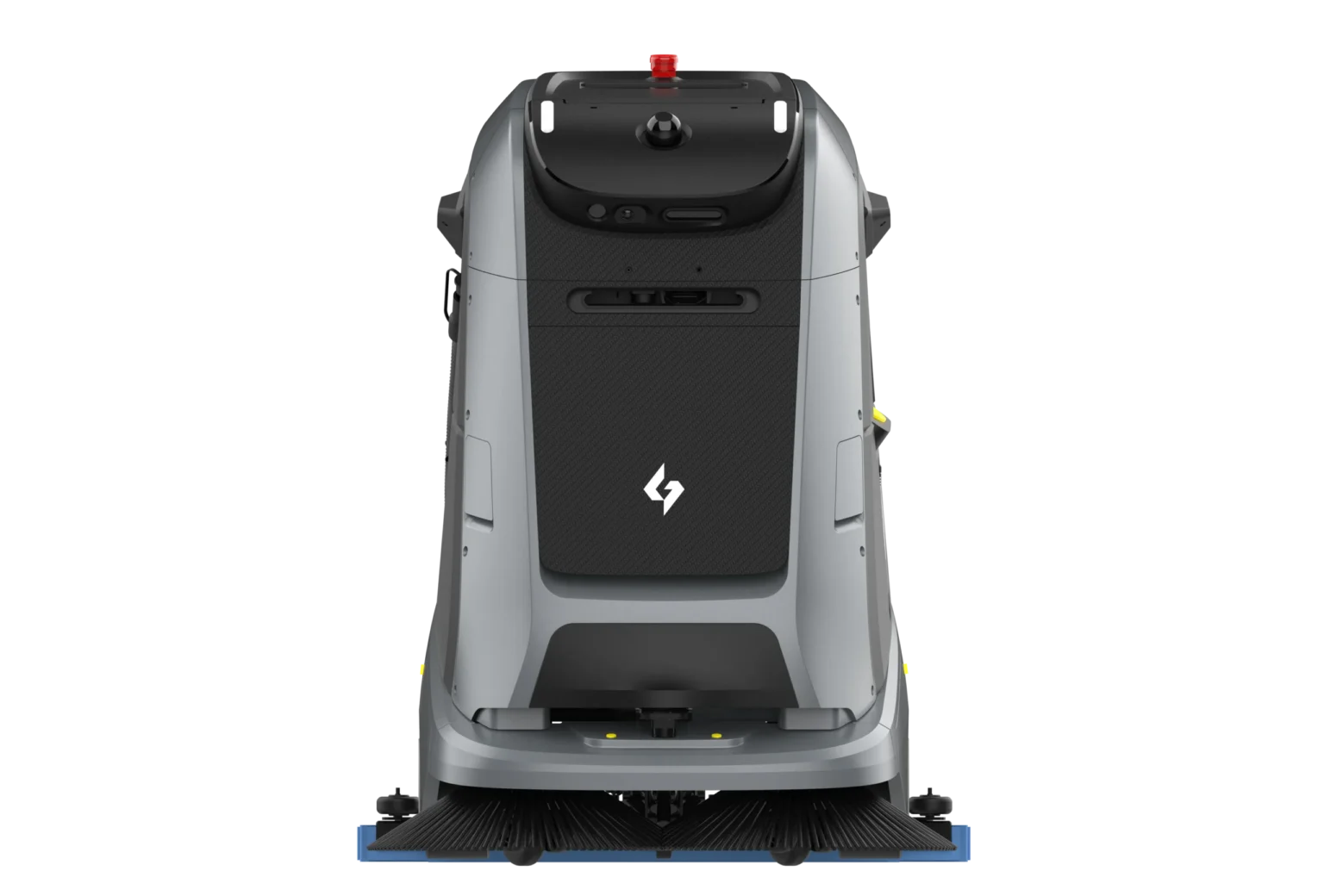
For contiguous indoor and industrial areas with planned cleaning windows.
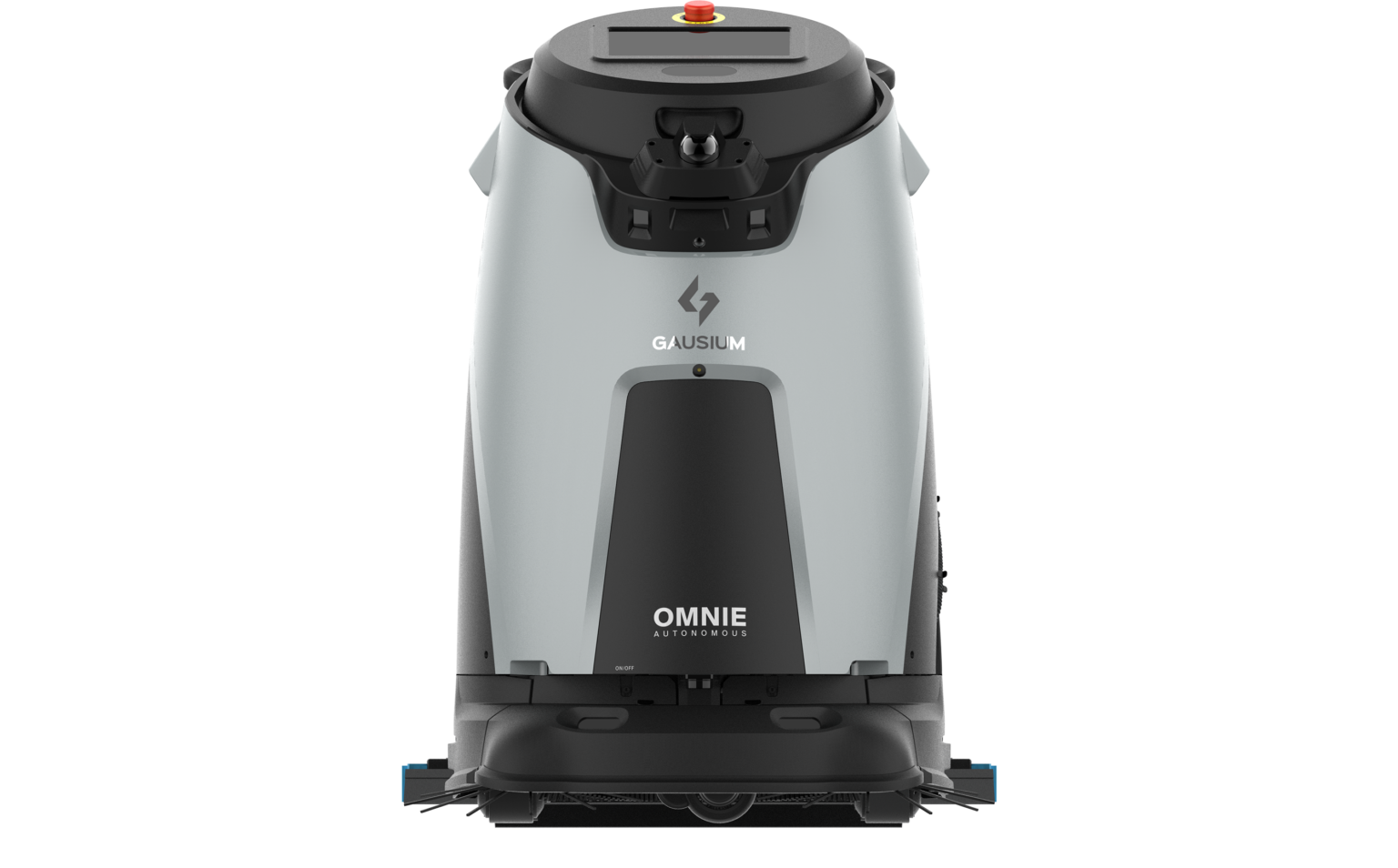
For busy commercial indoor spaces with changing obstacles.

For recurring autonomous vacuuming on suitable commercial indoor surfaces.

For planned wet cleaning of medium-sized commercial indoor surfaces.

For large indoor and outdoor areas with suitable pathways.

For autonomous cleaning tasks on suitable outdoor and industrial areas.

For compact indoor surfaces, when a small vacuuming and mopping system is required.

For commercial floor care on medium-sized, contiguous indoor surfaces.
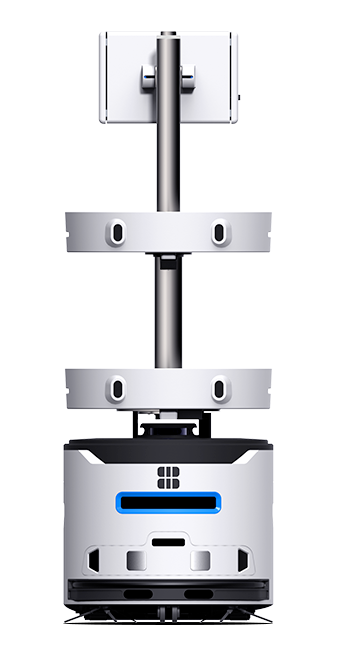
For combined service and cleaning tasks in suitable indoor areas.

For autonomous 4-in-1 floor cleaning with AI result verification on compact and structured indoor surfaces.

For AI-supported, autonomous dry cleaning of large indoor areas such as shopping centers, airports and warehouses.

For defined disinfection tasks in approved indoor areas.

For protected delivery routes in buildings and defined handovers.
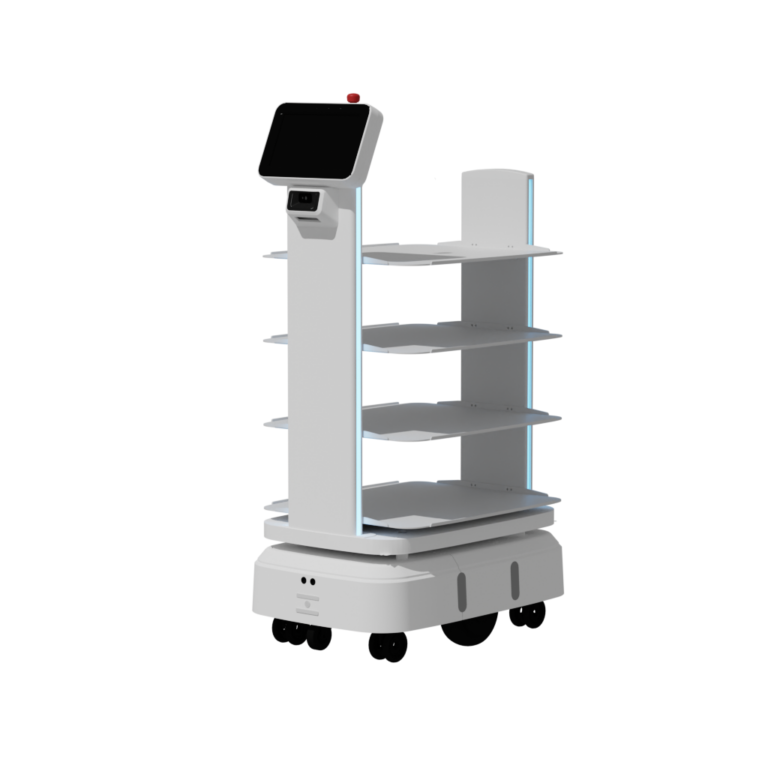
For light deliveries up to 80 kg on four open shelves, even in confined spaces such as production lines.
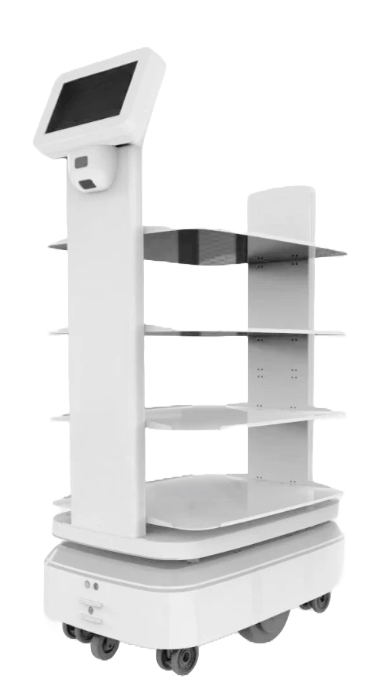
For internal deliveries with protected cargo on clearly defined routes.

For load carriers that can be driven underneath and for recurring material routes.

For heavy load carriers in suitable industrial and logistics environments.

For automated material flows with suitable carts or load carriers.

For heavy goods on a fixed platform and defined routes.

For customer-specific designs and defined transport processes.
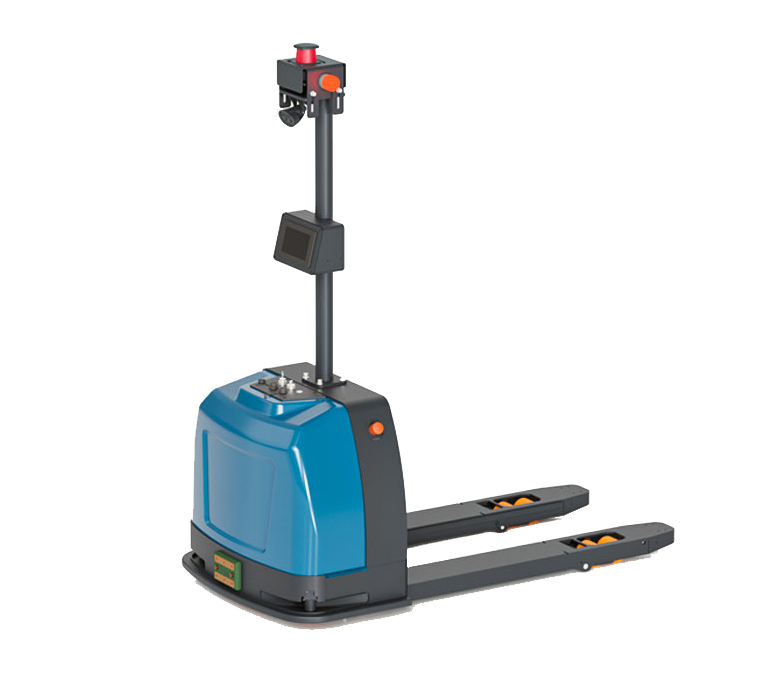
For heavy industrial and material flows with project-specific integration.

For internal material transport in industry with a load capacity of up to 300 kg and precise navigation.
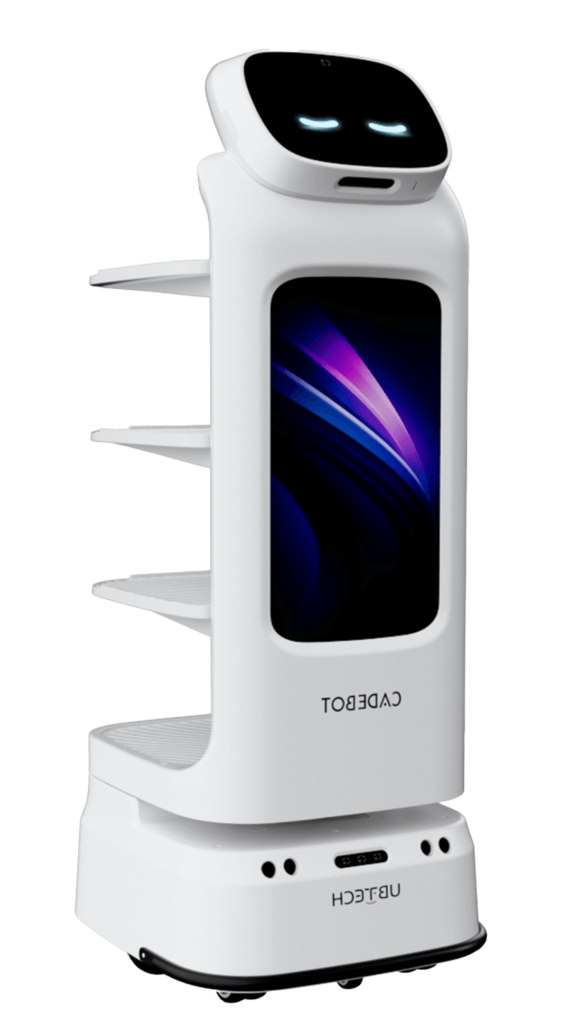
For service routes, presentations, and easy interaction in public areas.

For food, dishes and service routes with open shelves.

For compact service routes, information and presentation in the customer area.

For return transport, clearing, and internal routes with open storage.
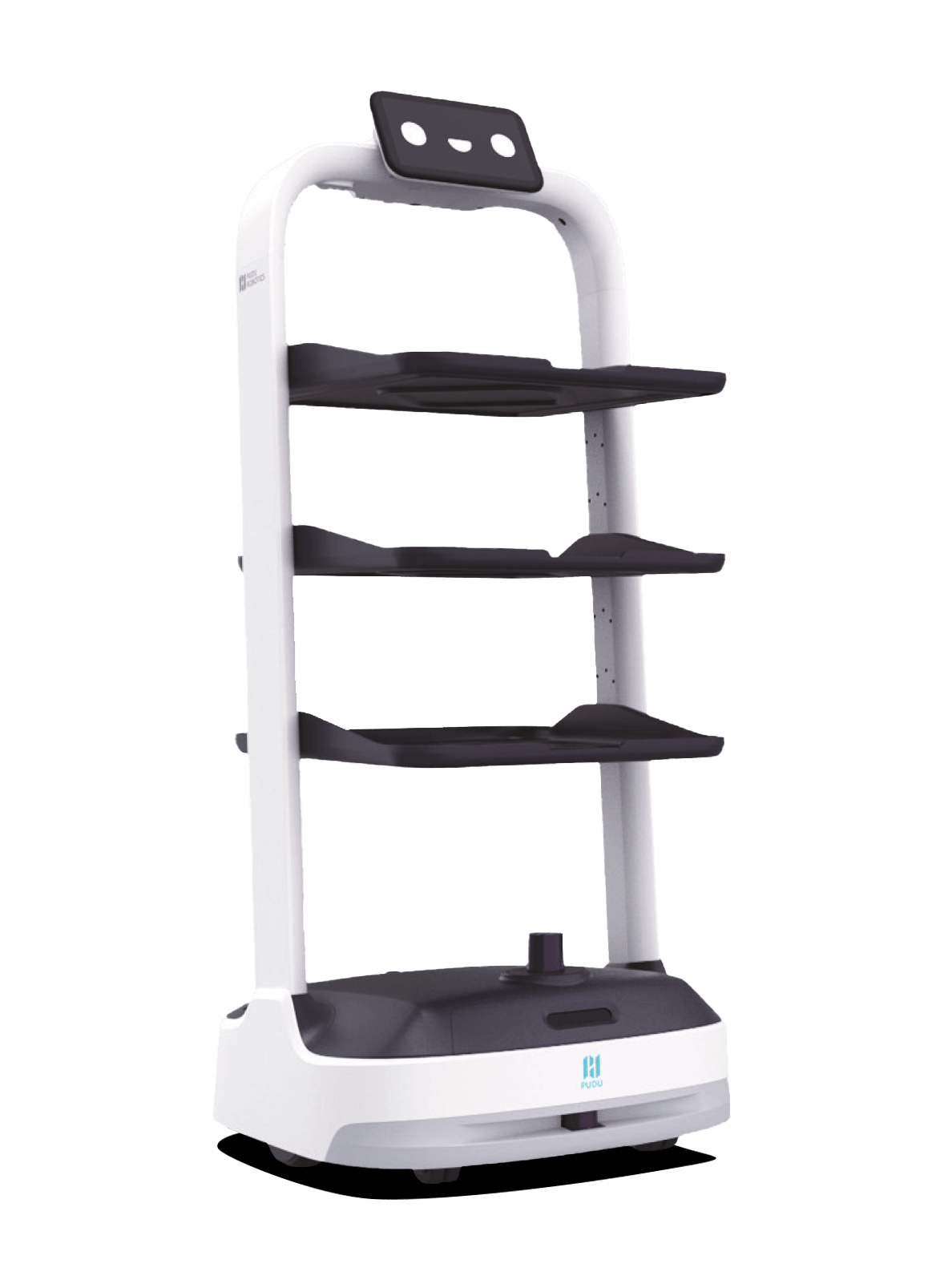
For deliveries to the catering and hotel industry with a payload of up to 40 kg and automatic recharging.

For secure deliveries to hotels and suitable buildings.

For internal delivery routes in hotels and other multi-story buildings.
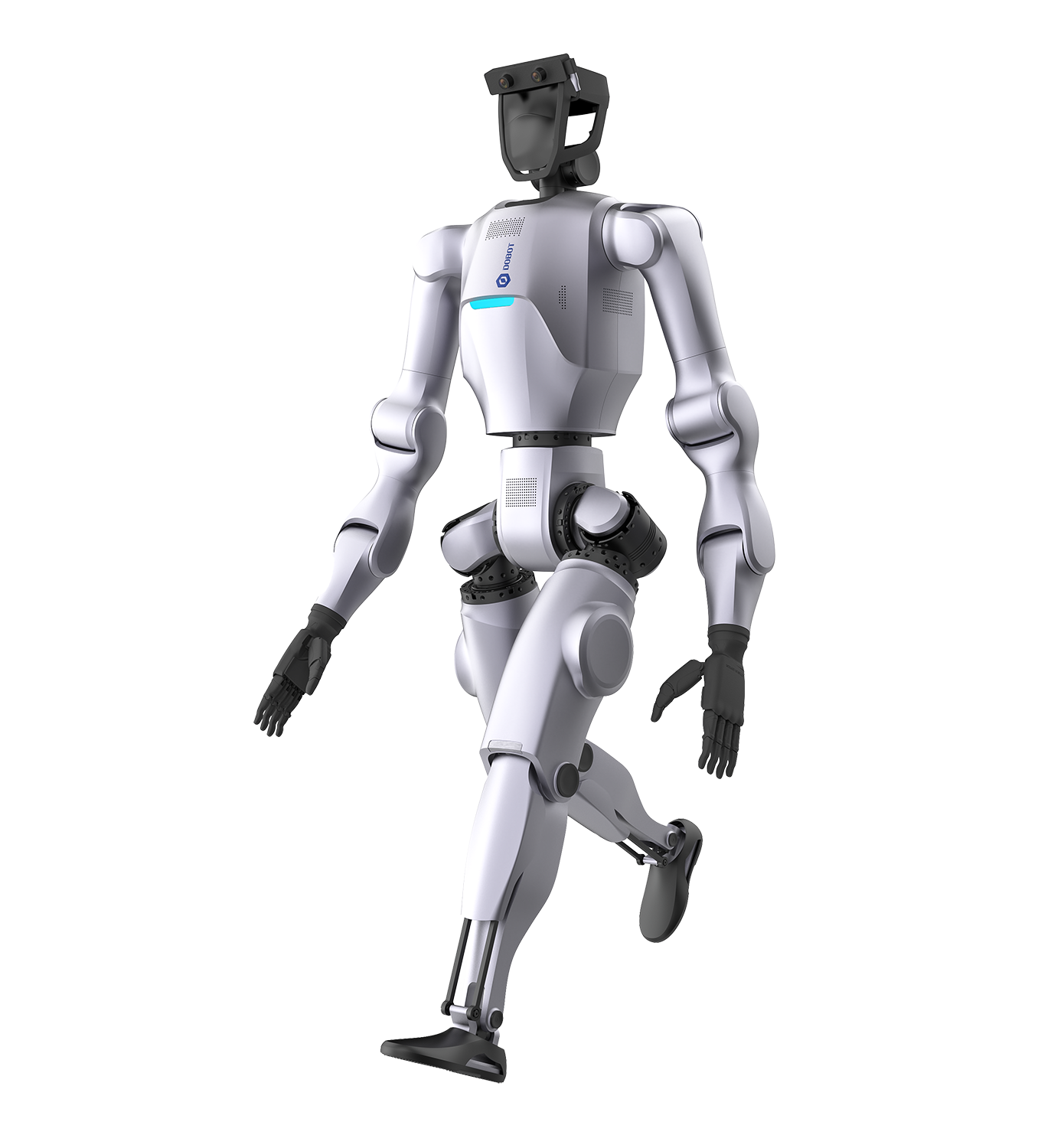
For training, demonstration, and clearly defined automated manual processes.
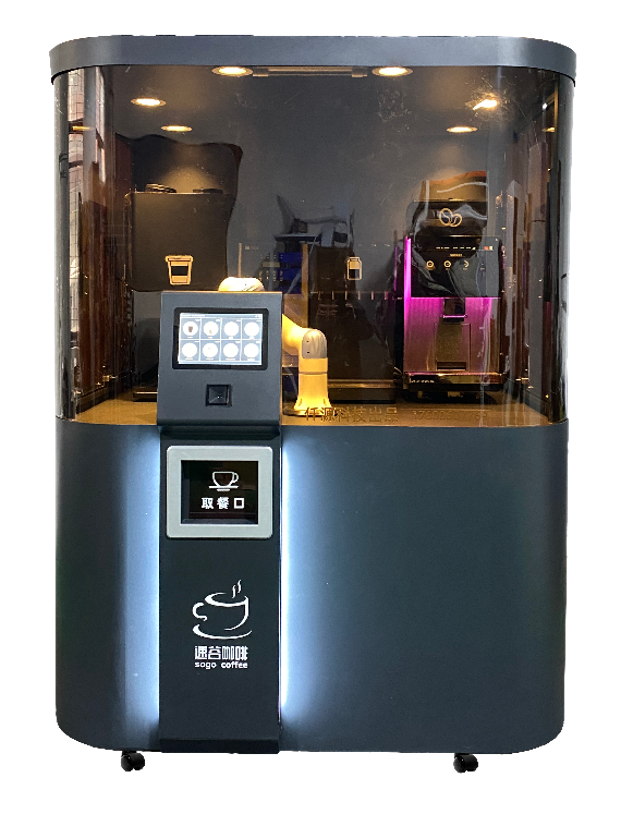
For standardized coffee preparation as a stationary automation solution.
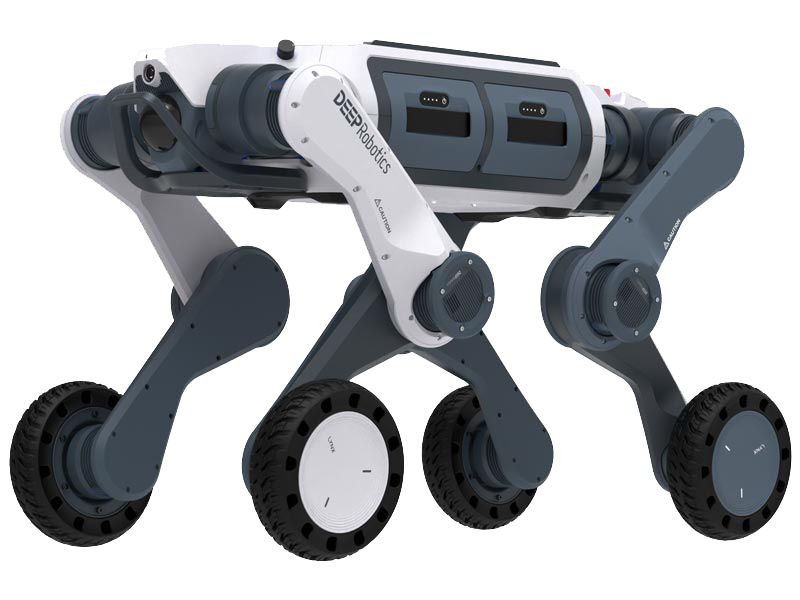
For patrols and inspection tasks in suitable technical environments.

For recurring inspection and monitoring routes in industrial environments.
Often, a single detail of the route, area, or handover makes all the difference. Describe the task to us, and together we'll narrow down the possibilities to suitable solutions.
Have the task checkedTechnical specifications apply to the described configuration. The information in the individual offer is binding. Complete datasheets can be found on the product pages.
Task classes
The categories separate robot types according to their actual use, not their appearance.
Applications
The same product group may require different handovers, timeframes and approvals depending on the industry.
Support service and transport routes between the kitchen, serving area, tables and dishwashing area.
View application areaInternal deliveries, floor cleaning and defined service routes, including checking the elevator connection for multiple floors.
View application areaMaterial transport and floor cleaning in medical practices, rehabilitation centers, care facilities, or clinics. Approvals and responsibilities are checked for each location.
robots in healthcareMove parts, goods, containers or load carriers between designated stations and inspect technical areas.
View logistics solutionsTransporting tires and parts, cleaning showrooms and ancillary areas, or assisting with simple tasks in the customer area.
Robots for car dealershipsPresenting products, conveying information, or taking over defined service channels.
View trade fair solutionsBefore the comparison
A data sheet alone does not answer the question of whether a robot can work reliably in your company.
Preface
Define the path, area or work step and the desired result.
Check the route, doors, thresholds, elevators, floors and connections.
Select suitable systems and configurations based on the requirements.
Determine responsibilities, handovers, time windows and backup procedures.
Configure the robot, train the team, and define the support channel.
FAQ
Service robots take on clearly defined tasks outside of traditional, permanently installed production facilities. At SEBOTICS This includes transportation, delivery, floor cleaning, interaction, and inspection.
This depends on the task, environment, and operational procedures. Only then is a meaningful comparison of models possible.
Some models combine several functions. Nevertheless, the selection process should begin with a clear primary function so that any compromises become apparent.
Only if the robot, elevator control and building are technically compatible and the integration has been implemented.
Besides the device itself, the overall project is influenced by the design, accessories, station, interfaces, setup, training and support.
They automate defined tasks. Personal support, professional judgment, and dealing with exceptions remain human tasks.
Next Step
Describe the task, the environment, and the most important parameters. We will examine which product group and models are suitable and which points still need to be clarified before a quotation.