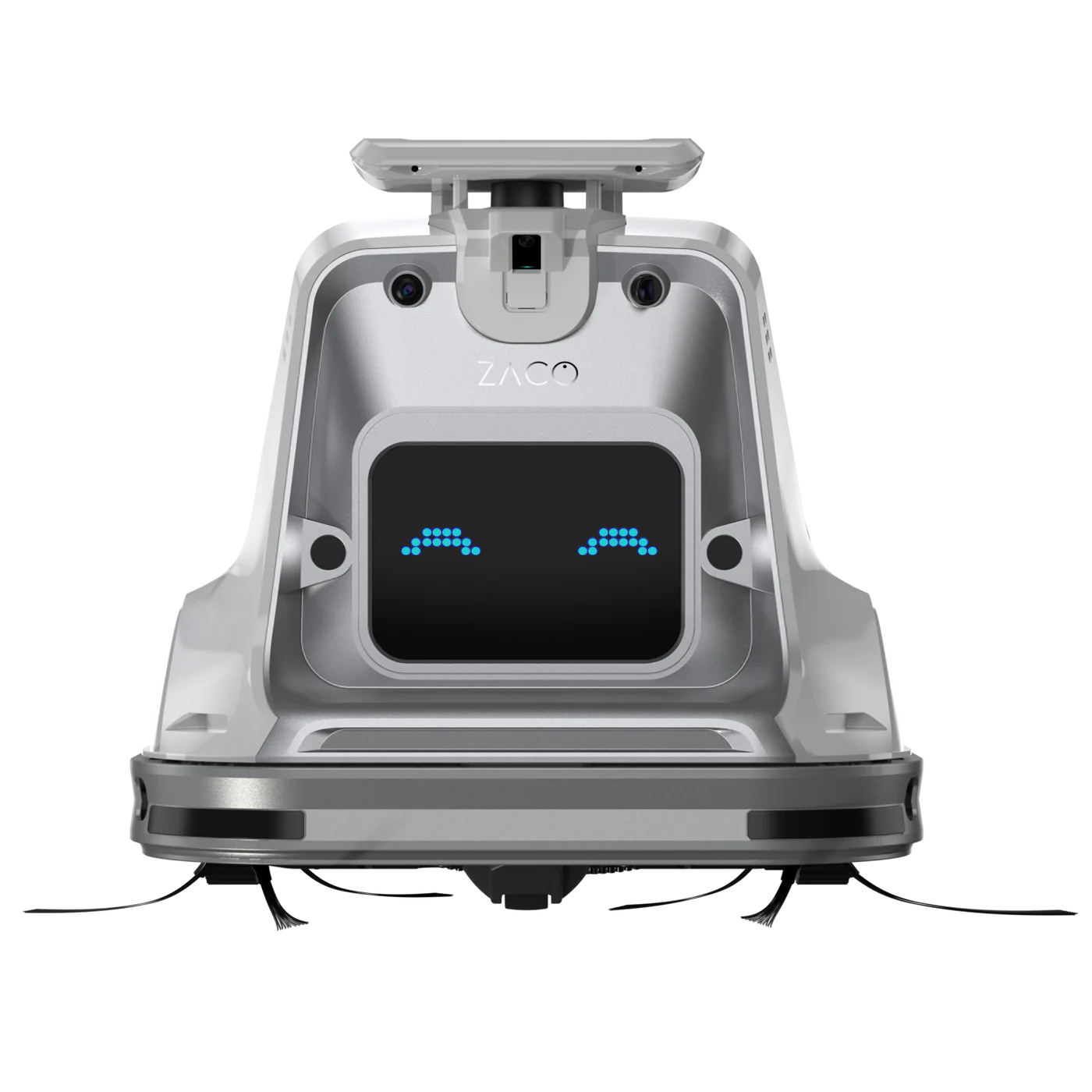
What does a service robot do in the restaurant industry?
It transports food, drinks, dishes, or service equipment between designated points. Depending on the model, it can also provide information or help with orientation.
Does the robot serve at the table independently?
He usually brings food to the table or to a service station. The waitstaff handles the removal, allocation, and handover.
Can the robot clear tables independently?
No. Employees place plates and glasses on the shelves. The robot then takes over, returning them to the dishwashing area or the clearing point.
Can the robot transport hot food?
Suitable food items can be transported. Waiting time, journey duration, containers, storage areas, and temperature requirements must be checked jointly.
Can the robot recognize guests and obstacles?
Depending on the model, it uses different sensors. However, its use still needs to be tested with real guests, chairs, children, and service routes.
What aisle width does a service robot require?
That depends on the specific model. Additionally, space is needed for passing, turning, and maneuvering.
Can it drive through swing doors or over thresholds?
Only if the door, threshold, and model are suitable. Doors may require an interface or an open passage.
Is it possible to use it on a terrace?
This depends on the soil type, slope, weather conditions, transitions, and model approval. A device designed for indoor use cannot automatically be used outdoors.
Can the robot be connected to the cash register system?
This may be possible depending on the robot system, POS software, and interfaces. For many applications, a connection is not required.
Can a cleaning robot clean the kitchen?
This needs to be checked separately. Grease, food residues, liquids, racks, and hygiene regulations place different demands on the floor than a clear dining area floor.
Is a service robot suitable for small restaurants?
The number of seats is not the deciding factor. What matters are the number and length of the routes, the room layout, and the remaining manual effort.
How do guests react to service robots?
This varies depending on the target group, the company, and the level of integration. The robot should not block pathways or replace personal care.
Can a service robot replace employees?
He takes over defined transport routes. Consulting, sales, guest service, serving, clearing, and decision-making remain with the team.
What happens in the event of a malfunction?
The operational concept defines who receives the notification, who is allowed to intervene, and how the service continues without robots.
How quickly does a service robot pay for itself?
This can only be assessed based on actual journeys, working hours, operating costs, and remaining tasks. A practical test is more reliable than industry figures.