
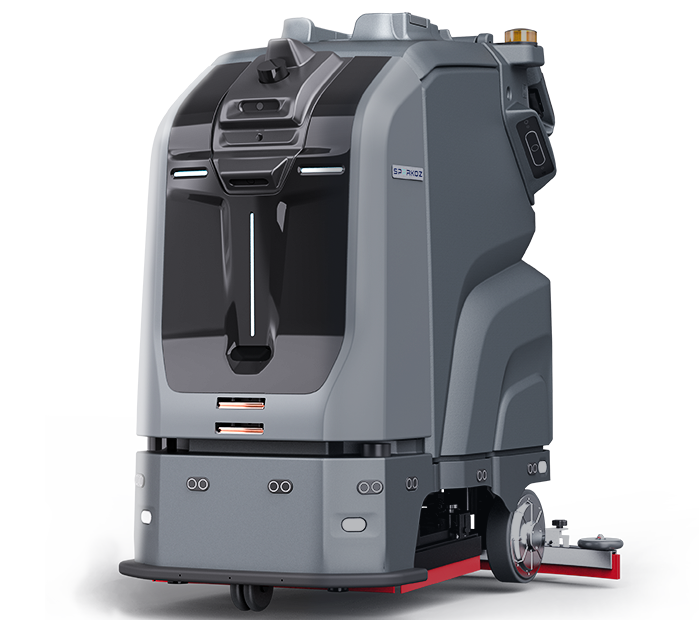
Autonomous floor cleaning for commercial and facility management
Commercial cleaning robots: selecting the right solution based on area and application
Offices, hotels, retail spaces, educational institutions or warehouses have different cleaning requirements. SEBOTICS It checks which recurring floor work can be sensibly automated and which type of robot is suitable for the area, floor, contamination and operational process.
You don't need to have selected a model yet. For an initial assessment, the area, floor type, and desired cleaning task are sufficient.
Initial situation
Where capacity is lost in commercial cleaning
Large floor areas that require regular cleaning consume many working hours. At the same time, teams have to react to changing occupancy, varying levels of soiling, and tight time windows.
The robot takes over a defined floor task. The team retains responsibility for preparation, control, and all non-automatable areas.
Skilled workers gain capacity for sanitary, edge and detail cleaning when the automated area remains reliably accessible in real-world operation.
The same corridors, foyers, or sales areas are processed daily.
Staff shortages are changing or reducing cleaning schedules.
The actual area covered is difficult to verify.
Cleaning during operations disturbs employees, guests, or visitors.
Different floors require different cleaning methods.
Obstacles and changing usage make planning difficult.
Six environments
Cleaning robots for office, hotel, retail, education and industry
The industry provides the framework. Key factors include the accessible area, the floor covering, the level of soiling, and the available working window.
Offices and administration
Connecting corridors, entrance areas, foyers and larger open areas can be processed before work begins, after business hours end, or when occupancy is low.
- Carpet and hard floor replacement
- Glass doors and cables
- Furnishing
- noise
Small offices, stairs, areas under desks and heavily furnished rooms often remain unfinished.
Hotels and Hospitality
Possible zones include the lobby, reception, guest and staff corridors, conference areas and restaurant areas outside of operating hours.
- Guest traffic
- Luggage and service cart
- rest periods
- Lifts
Rooms, sanitary facilities and heavily furnished areas are usually left untouched.
More about robots in hotels →Retail and shopping centers
Sales areas, wide aisles and public transport areas can be cleaned before opening, after closing time or during less busy time windows.
- Shopping cart traffic
- Action areas
- Pallets
- high dirt load at the entrance
Shelves, base areas, corners and short-term soiling still require manual treatment.
Schools and colleges
Long corridors, foyers, cafeterias, libraries and common areas can be processed automatically after classes or events have ended.
- Occupancy plans
- abandoned items
- Building access
- Cleaning certificates
Classrooms with many chairs and tables may be less suitable than open traffic areas.
Health facilities
Suitable corridors, waiting areas and public floor areas in medical practices, medical centers and rehabilitation facilities can be cleaned automatically.
- Soil compatibility
- narrow passages
- Hygiene plans
- Documentation
Floor cleaning is not disinfection. Contact surfaces, treatment areas, sanitary facilities and areas of special contamination remain subject to manual hygiene procedures.
Robots in healthcare →Industry, logistics and public buildings
Wide storage and transport routes, shipping zones, production-related areas, halls, town halls, museums or railway stations connect large areas with traffic and changing uses.
- Tire abrasion and particles
- Liquids
- Forklifts and pallet trucks
- Escape routes
Not every cleaning robot is suitable for picking up all materials. Zones, types of dirt, and operational approvals are assessed separately.
Cleaning robots for industry → Robots for warehousing and logistics →Process before product
Which cleaning method is suitable for your surface?
Not every cleaning robot is capable of every method. Therefore, the selection process begins with the type of flooring and the level of soiling.
Net area instead of square meter
Which solution is suitable for which area size?
The gross floor area of a building is not sufficient. What matters is the area that the robot can actually reach and effectively work on.
Agility before capacity
- smaller offices and practices
- Hotel lobbies and narrow corridors
- small sales areas
- Check machine width and turning area
Versatility in the workplace
- Office floors and education
- Hotels and shops
- Check tank and container size
- Clarify stopovers and procedures
Measuring real performance
- Logistics and industrial halls
- Shopping and traffic zones
- Water and charging process
- Consider traffic and interventions
The theoretical performance from a data sheet does not automatically correspond to the performance in the actual building.
Current selection
Narrow down suitable cleaning robots
Four examples from the current SEBOTICS-Portfolio. Technical suitability will only be confirmed after the area has been tested.

Phantas
For combined floor care on compact and furnished indoor surfaces.
Product details →
S50Pro
For planned wet cleaning of medium-sized commercial indoor surfaces.
Product details →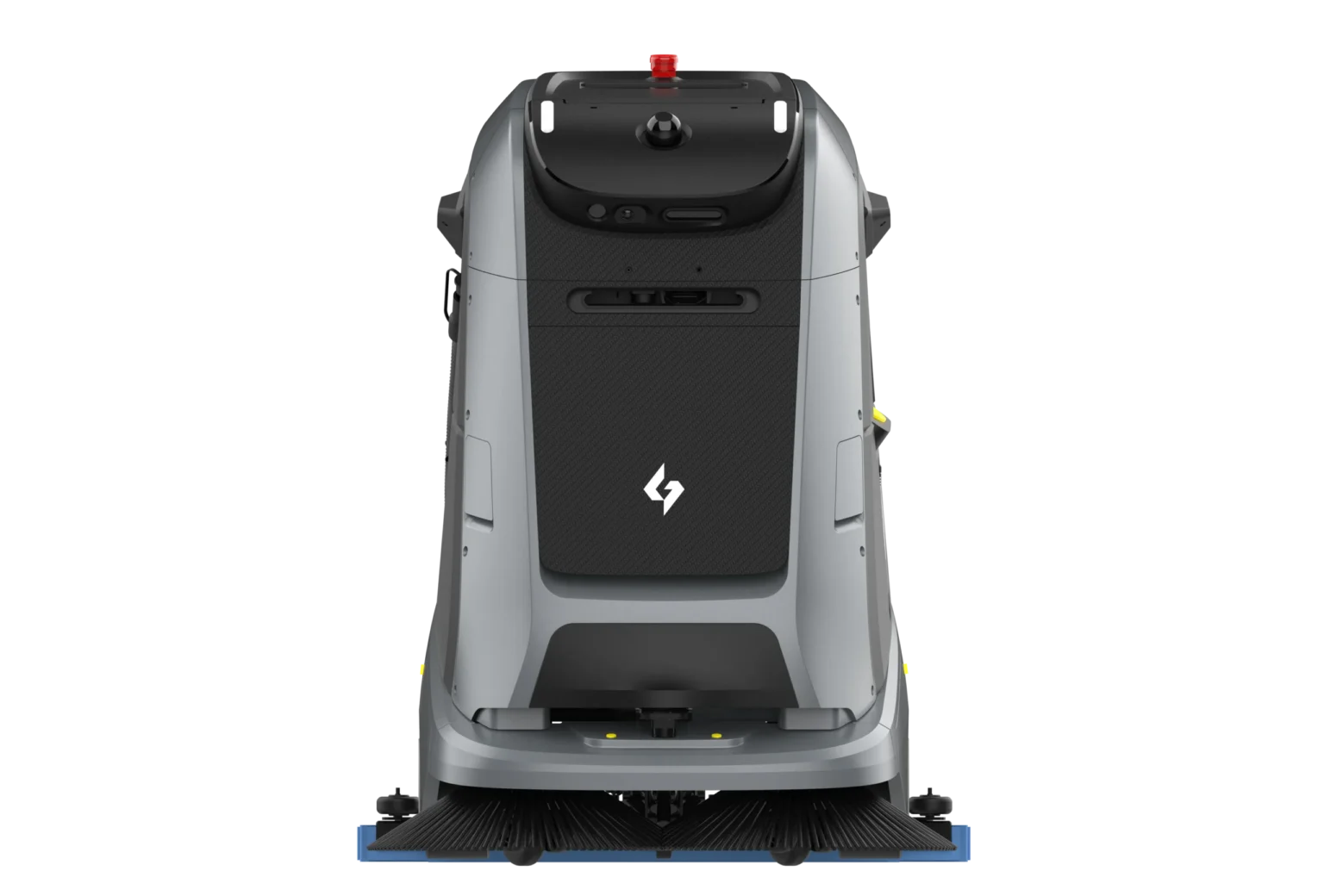
Marvel
For contiguous indoor and industrial areas with planned cleaning windows.
Product details →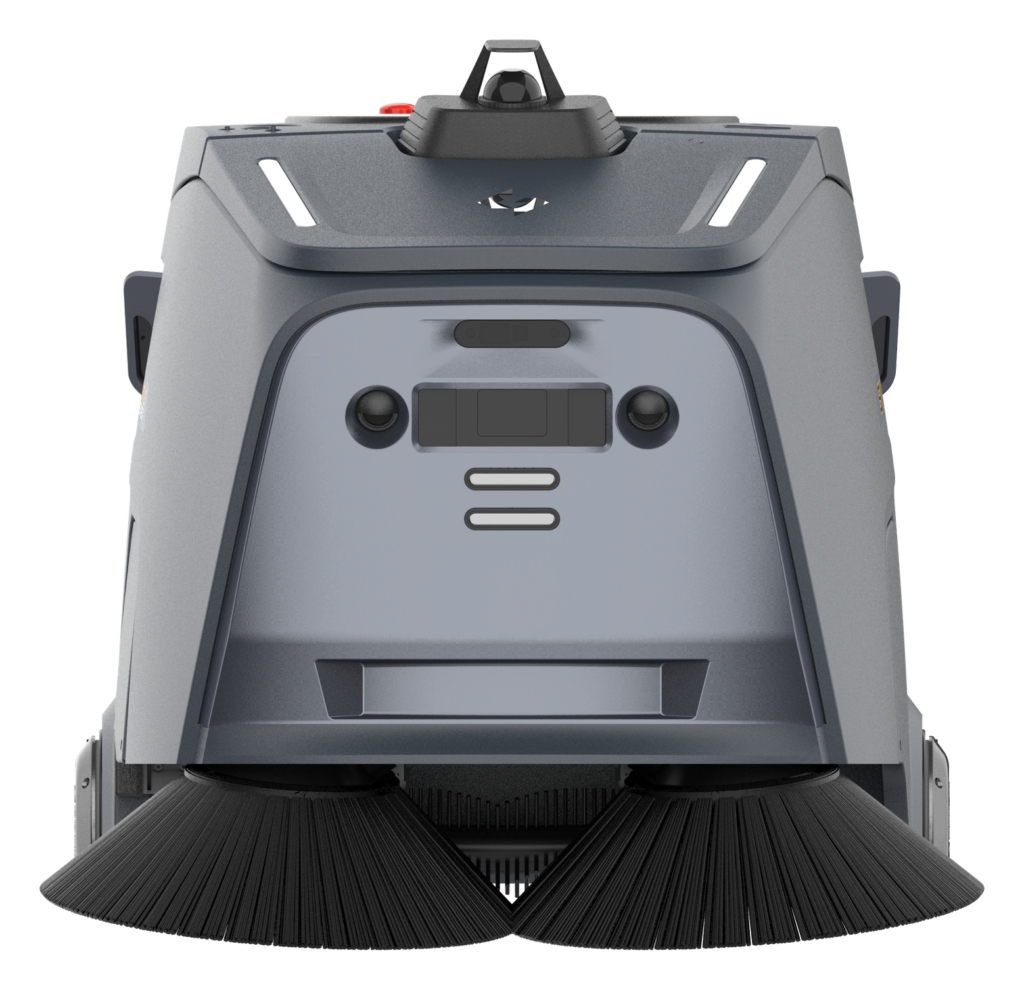
Beetle
For sweeping and cleaning tasks on large industrial and outdoor areas.
Product details →Technical specifications are not maintained on this selection page. The current product details page and the verification of the specific application are binding.
Site Survey
Is a cleaning robot suitable for your building?
The result can be: directly suitable, suitable with adjustments, or not currently economically automatable.
Area and soil
- total and accessible net area
- Hard floor, carpet or mixed flooring
- Joints, mats, thresholds and ramps
- typical pollution
- Edges and hard-to-reach areas
- manual preparation and finishing
Buildings and Navigation
- Road widths and turning areas
- Doors and automatic passageways
- Elevators and floor changes
- temporary obstacles
- Public and vehicle traffic
- Escape and rescue routes
Operation and supply
- Cleaning times
- Parking and loading space
- water and sewage
- Cleaning process
- Network, app and reports
- Care, support and replacement process
Introduction in six steps
From cleaning task to functioning operation
The model follows the task. The pilot measures results and support effort under real-world conditions.
Define task
Define areas, soils, and contaminants.
Record process
Document times, personnel, interruptions and rework.
Inspect building
Evaluate paths, doors, loading area, water and traffic.
Select robot type
Compare procedures, models, stations, and interfaces.
Real-world testing
Measure result, coverage, cycle time and interventions.
Team training
Define zones, time windows, responsibilities, and disruptions.
Digital operational data
Plan and document cleaning
Depending on the model and configuration, plans, area maps and completed journeys can be managed digitally.
Real area data
Efficiency instead of blanket promises of savings
Freed-up working time initially represents additional capacity. Benefit only arises once it is clear how this capacity will be used within the company.
accessible cleaning area and frequency
current personnel and time expenditure
Preparation and clearing
Water changes, emptying and maintenance
manual rework and interventions
Device, station, accessories and integration
Consumables, maintenance and support
Standstill and replacement process
Honest boundaries
What commercial cleaning robots can't solve on their own
Autonomous does not mean unsupervised. The cleaning team remains responsible for exceptions, monitoring, and special soiling.
Floor cleaning does not replace a complete building cleaning.
Stairs, sanitary facilities, contact surfaces and corners are often left unfinished.
Stored objects reduce the available space.
Different soils may require different methods.
A carpet system is not automatically suitable for industrial dirt.
Floor cleaning is not automatically disinfection.
Loading and unloading remain manual without a service station.
Doors and elevators may require additional interfaces.
App functionality and remote monitoring depend on the model and configuration.
A manual replacement process is required for malfunctions.
Areas with many angles and complex layouts can be more economical to clean manually.
Daily monitoring and equipment maintenance remain necessary.
Frequently asked questions
Classifying cleaning robots in commercial settings
The suitability is determined by the area, soil, pollution and operational procedures, not the industry alone.
Which cleaning robot is suitable for my business?
This depends on the cleaning task, the type of flooring, the level of soiling, the accessible area, and the building.
From what area size does a cleaning robot become worthwhile?
There is no general minimum area requirement. Frequency, accessibility, current effort, and remaining work determine the assessment.
Can robots handle carpet and hard floors?
Some systems support multiple cleaning methods. However, floor clearances, transitions, and necessary modifications must still be checked.
Can the robot clean while in operation?
This may be possible depending on the device, environment and traffic, and should be tested under real-world conditions.
Does a robotic scrubber leave the floor dry?
How dry the floor remains depends on the device, settings, floor type, speed, and level of soiling.
Does the robot generate automatic reports?
Many commercial systems offer reporting and mapping functions. The scope and export capabilities vary depending on the model and configuration.
Does the robot need Wi-Fi, water, or a charging station?
This depends on the model. A charging and parking space is required; automatic filling and emptying require a suitable station.
Can cleaning robots handle multiple floors?
Only if the change of floor is technically and organizationally resolved. Otherwise, deployment remains limited to one floor.
How much maintenance does a cleaning robot require?
Even autonomous systems require monitoring, cleaning, consumables, maintenance, and a responsible person.
How much does a commercial cleaning robot cost?
The total cost depends on the device, equipment, station, accessories, setup, training, integration, and support.
Can a cleaning robot replace human staff?
The robot takes over defined flooring tasks. Detailed cleaning, inspection, preparation, and exceptions remain with the team.
What happens in the event of a malfunction?
The operational concept defines who receives notifications, who is allowed to intervene, and how the cleaning is continued manually.
Next Step
Which area would you like to clean automatically?
Describe the area, flooring, typical soiling, and desired cleaning times. We will review the parameters without requiring you to commit to a specific model beforehand.
- Floor plan or area size
- Floor types and door widths
- typical obstacles
- Cleaning times
- Water and charging connections